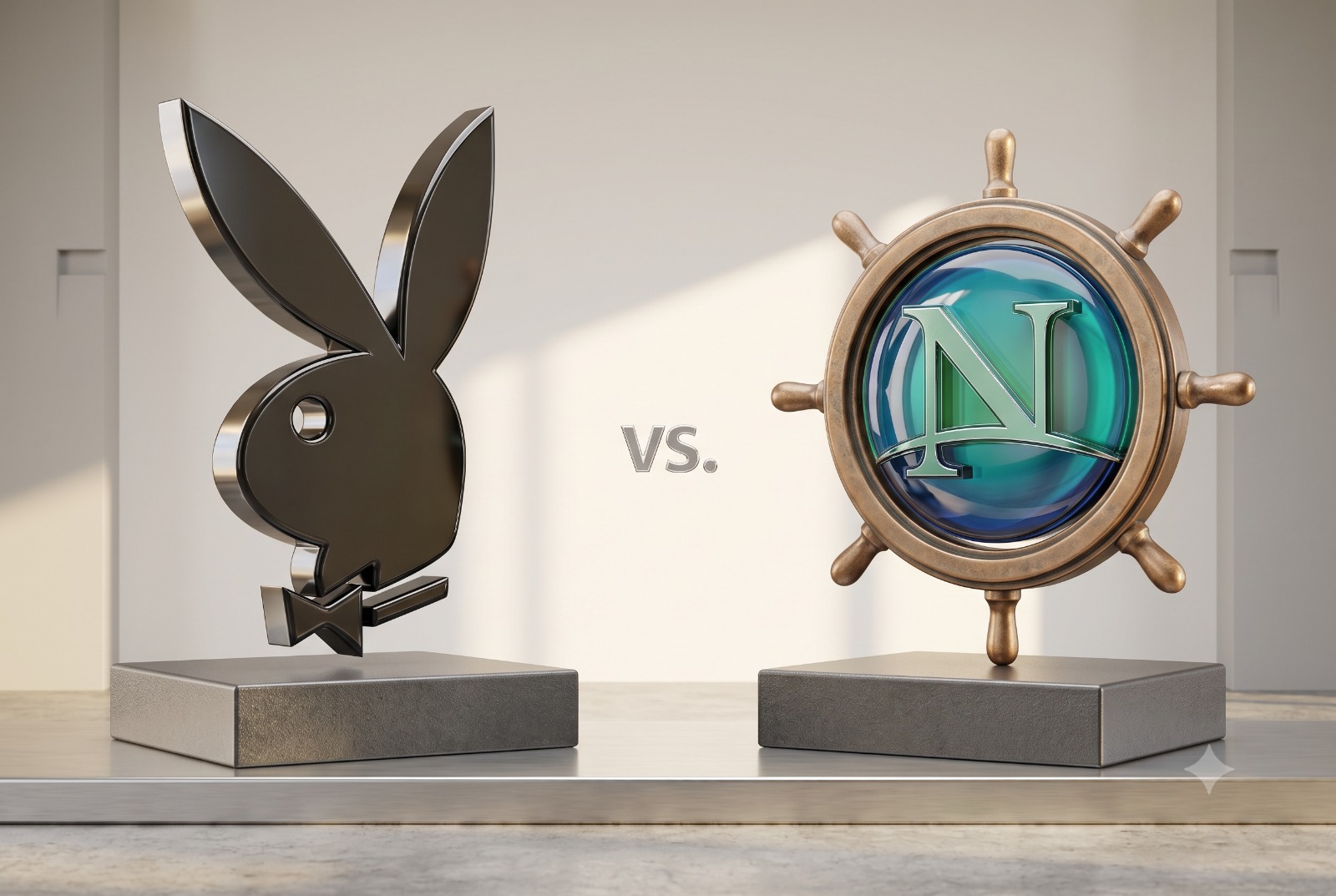
Playboy vs. Netscape (2004): Can Competitors Use Your Brand Name to Hijack Online Traffic?
Discover how Netscape used Playboy’s famous trademark to trigger hidden ads, and why the court ruled it illegal. Protect your online brand identity today!
Introduction
In the early days of the digital boom, the internet became the new wild west for branding. A massive legal battle erupted when Playboy Enterprises, Inc. discovered that tech giant Netscape Communications was capitalising on their hard-earned brand reputation. Netscape was using Playboy’s registered trademarks behind the scenes to trigger advertisements for adult entertainment competitors. This landmark 2004 case set a massive legal precedent for how brands are protected online.
The Core Dispute
The fight revolved around an advertising practice called "keying." When users typed the trademarked terms "Playboy" or "Playmate" into Netscape’s search engine, the system automatically triggered banner advertisements for rival adult websites.
The core issue was simple yet critical:
Netscape was selling search terms that belonged to a registered brand.
The advertisements displayed were unlabelled, meaning users could easily believe these competitor sites were officially sponsored by or affiliated with Playboy.
Playboy argued that this created "Initial Interest Confusion"—hijacking consumers' attention by using someone else's brand equity.
Court's Decision
The U.S. Court of Appeals ruled in favour of Playboy Enterprises. The court held that Netscape's practice of using famous trademarks to trigger unlabelled banner ads did indeed cause initial interest confusion.
Even if consumers realised later that the clicked link wasn't Playboy, the competitor had already successfully gained a potential customer by piggybacking on Playboy’s fame. The court made it clear that using a competitor's registered trademark to divert internet traffic to your own site constitutes trademark infringement.
Key Takeaways for Businesses
This historic ruling offers invaluable lessons for modern startups, entrepreneurs, and established digital brands:
Your Brand Name is Digital Real Estate: Competitors cannot legally use your registered trademark as a hidden keyword or trigger to steal your search engine traffic.
Initial Confusion is Enough for Infringement: A competitor doesn't need to make a final sale to break the law; simply misdirecting your potential customers using your brand name is illegal.
Registration is Your Shield: Playboy could only fight and win this multi-million dollar internet battle because they had strong, legally registered trademarks. Without registration, proving ownership in the digital space is incredibly difficult.
Monitor Your Online Footprint: Regularly check how your brand name behaves on search engines and e-commerce platforms to ensure competitors aren't bidding on your identity.
Protect Your Brand Today!
Don't let competitors hijack your hard work and steal your online traffic. In the digital marketplace, your brand name is your most valuable asset. Secure your identity, lock down your search presence, and stop copycats in their tracks.