Dabur vs. Emami (2019): The Fine Line Between Praising Your Brand and Disparaging a Competitor
Where does smart advertising stop and trademark infringement begin? Learn how the Delhi High Court drew the line between healthy competition and brand disparagement.
Introduction
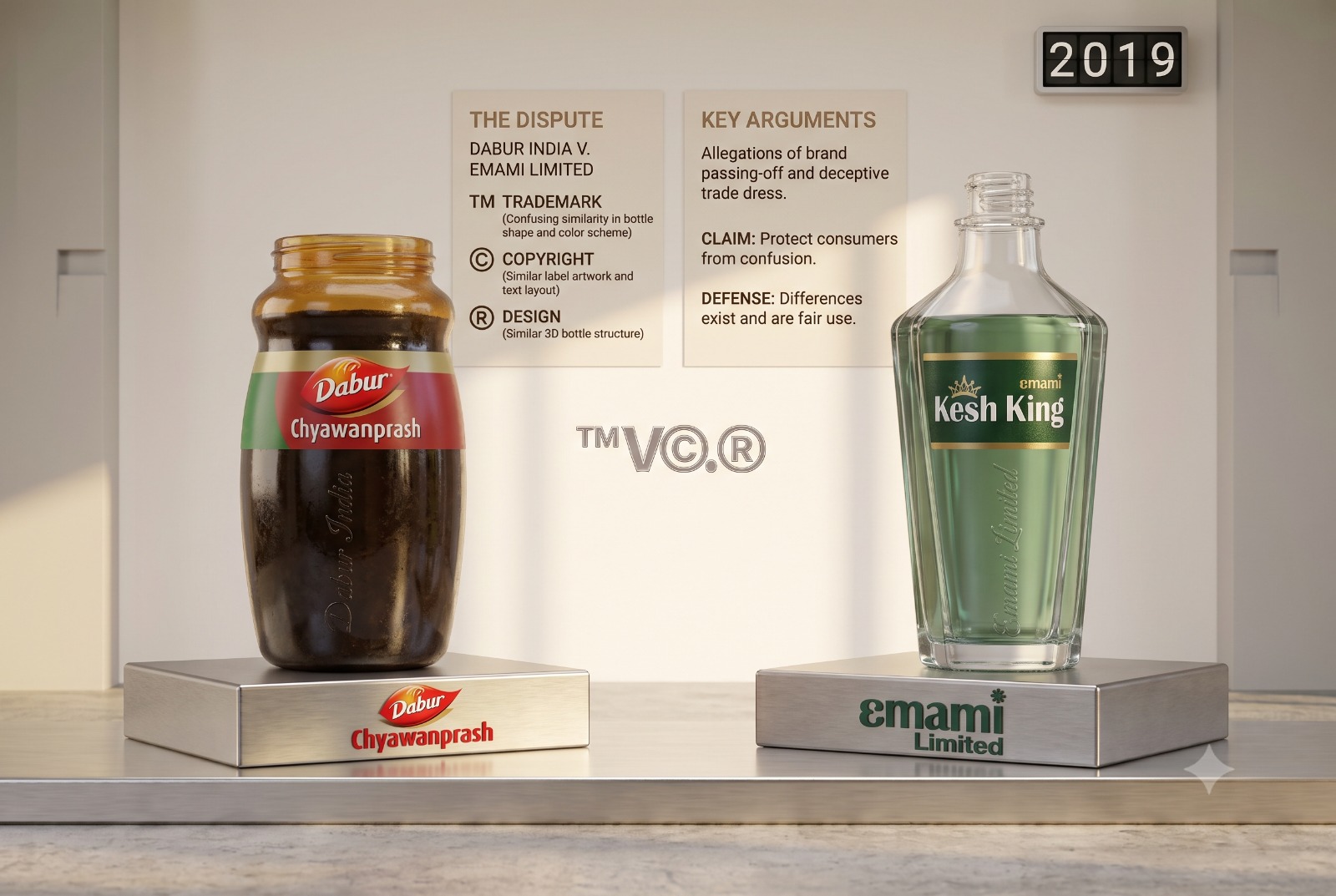
In the cutthroat world of corporate marketing, companies constantly look for ways to outshine their rivals. Comparative advertising—where a brand directly or indirectly compares its product to a competitor—is a common tool used to win over consumers. However, a major legal battle erupted in India when FMCG giant Dabur India took Emami Limited to the Delhi High Court over an advertising campaign. The landmark case of Dabur India v. Emami Limited (2019) clearly defined how far a brand can go when fighting for market share.
The Core Dispute
The legal showdown centered around the limits of comparative advertising and commercial free speech. One company created an advertisement that went beyond simply praising its own product; it crossed into territory that targeted and devalued the market standing of its rival's product.
The core legal issues raised before the High Court were:
Puffery vs. Disparagement: While a business is legally allowed to declare its goods as the "best" in the market (known as puffery), can it actively state or imply that a competitor's goods are bad or ineffective?
Trademark Infringement via Ads: Dabur argued that targeting a rival’s established product in a negative light dilutes and infringes upon the goodwill associated with its registered trademark.
Court's Decision
The Delhi High Court ruled decisively, setting clear boundaries for corporate advertising in India. The Court held that while healthy competition and creative puffery are completely protected, disparaging or defaming a rival's trademark under the guise of an advertisement is a direct trademark infringement.
The High Court emphasized that an advertiser can boast about the superiority of their own product, but they cannot declare that the competitor's product is substandard, unsafe, or inferior. Doing so unfairly damages the hard-earned reputation and consumer trust built around that rival brand's trademark.
Key Takeaways for Businesses
This ruling serves as an essential compliance checklist for entrepreneurs, startups, and brand managers designing marketing campaigns:
Promote Yourself, Don't Demolish Others: Your marketing should focus heavily on why your product is exceptional, not why your competitor's registered brand is a bad choice.
Your Goodwill is Legally Protected: If a competitor attempts to use your brand's name, logo, or distinct product identity in an ad campaign to make your brand look inferior, you have the full legal right to stop them immediately.
Registered Trademarks Stand Tall: Proving brand damage and securing an immediate injunction against unfair advertisements is significantly faster and more effective if your trademark is officially registered.
Compliance Precludes Litigation: When executing comparative marketing strategies, ensure your ad scripts are legally vetted so they remain safely within the bounds of puffery and avoid costly courtroom battles.
Protect Your Brand Today!
Your brand's reputation takes years to build, but an unfair corporate smear campaign can damage it in seconds. A registered trademark is your ultimate shield, ensuring that no competitor can legally misuse your identity or sabotage your hard-earned goodwill.